

Pleasure Without Pain: A Guide to Postpartum Intimacy
By Dr. Jordan Miller, PT, DPT, PRPC, Postpartum Pelvic Health Expert and Sakhee Advisor
A supportive look at intimacy after baby: decoding why it hurts, breaking down common physiological triggers, and sharing essential pelvic health modifications to help you return to pain-free sex.
You’ve had your baby. You’ve navigated the whirlwind of the first six weeks, and you finally made it to your follow-up appointment. Your doctor has given you the "all clear" for physical activity and anything "down there."
You and your partner finally find a rare, quiet moment for yourselves. It’s sexy time! But wait… ouch, it hurts?! If your intimacy has ever been impacted by the physical realities of pregnancy and delivery, please know you are not alone. Up to 28% of people worldwide experience dyspareunia, or pain with sex.
At Sakhee, we believe your postpartum journey should include moving from simply healing to truly thriving. Postpartum penetration does NOT have to hurt. If it does, you CAN heal. Here is a guide to help you reclaim your body and return to pain-free intimacy.
Why Does It Hurt?
Many new parents experience pain with vaginal penetration postpartum. This might occur during sex, while using a tampon, or during a speculum exam at the gynecologist. There are a few common reasons for this:
Scar Tissue: Healing from a tear or episiotomy can leave sensitive tissue behind.
Muscle Strain: Carrying a baby for nine months and the physical act of delivery through the vaginal canal can cause stretch injuries to the pelvic floor muscles.
Hormonal Changes: Breastfeeding can cause hormonal shifts that lead to less natural lubrication.
Tips and Tools to Promote Healing
Just as we rehab the body after any significant physical transformation, your pelvic floor deserves specific care. You can begin with these simple modifications to calm the area and encourage recovery.
Optimal Toileting Technique
How you use the bathroom can impact the tension in your pelvic floor.
Avoid Straining: Try not to bear down or strain during bowel or bladder movements.
Use a Peri-Bottle: Use a peri-bottle to spray the vulva or anus after toileting. This helps you avoid excessive wiping over healing tissue.
Dab Gently: When you finish, gently dab the vulva or anus to dry. You can also use a scent-free wet wipe to clean the region.
Use a Toileting Stool: Elevating your feet positions the pelvic floor to relax. This makes it easier to empty your bladder and bowels without pressure.
Comfort Measures
Sitz Baths: If your scar is still healing or the tissue feels aggravated, try a warm water sitz bath after long walks or exercise.
Scar Massage: Once your scar is fully closed and healed (~6-8 weeks post), you can begin gentle scar massage techniques over the perineum (the area between the vagina and anus). Use a very soft touch. You should apply no more pressure than you would use to press into a ripe tomato. Move in clockwise motions over the scar tissue to help it heal.
Desensitization: Use your thumb and a bit of lubrication to gently stretch around the vaginal opening. During each session, maintain gentle pressure and movement until the local discomfort starts to fade. Over a few weeks of doing this for about five minutes every other day, you should notice the overall tissue sensitivity decrease significantly.
Specialized Tools for Recovery
Our team at Sakhee selects resources we genuinely believe support your recovery. The specialized tools featured below are common industry examples that many pelvic health specialists recommend, but they are not a substitute for personalized medical advice. Always check with your doctor or pelvic health physical therapist to see which tools and sizes are right for your body.
If manual massage feels overwhelming or you need to reach deeper tissues, specialized tools can be incredibly helpful.
Pelvic Wands: These s-shaped tools help you stretch the vaginal opening and reach the sidewalls of the pelvic floor.
Vaginal Trainers (Dilators): Once you can tolerate light touch and the insertion of your finger(s), dilators help stretch the area to help you tolerate penetration of larger tampons, toys, a speculum, a penis, etc. Always start with the smallest size and work your way up.
Vibration: A small vibrator can help reduce pain signaling from your nerve fibers. Use vibration at the vaginal opening in addition to the desensitization techniques mentioned above, such as vaginal massage or dilator work, to further decrease discomfort prior to inserting anything into the vagina.
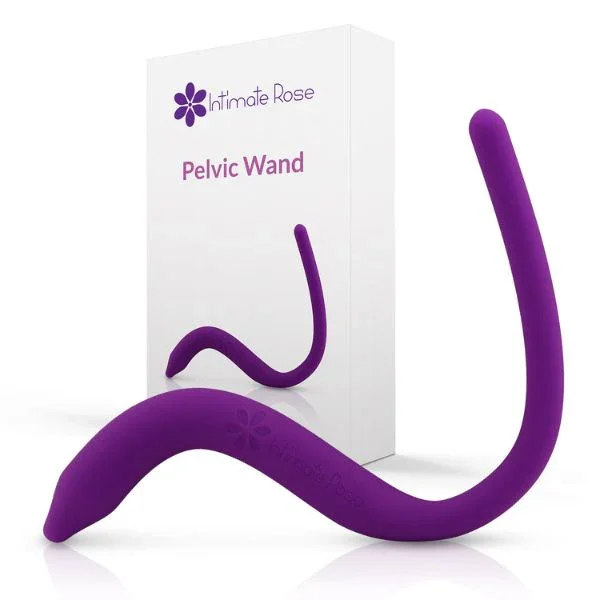
Pelvic Wand
Example of a Pelvic Wand from Intimate Rose

Dilator
Example of a Dilator from VWell. Soul Source also has some fantastic options!
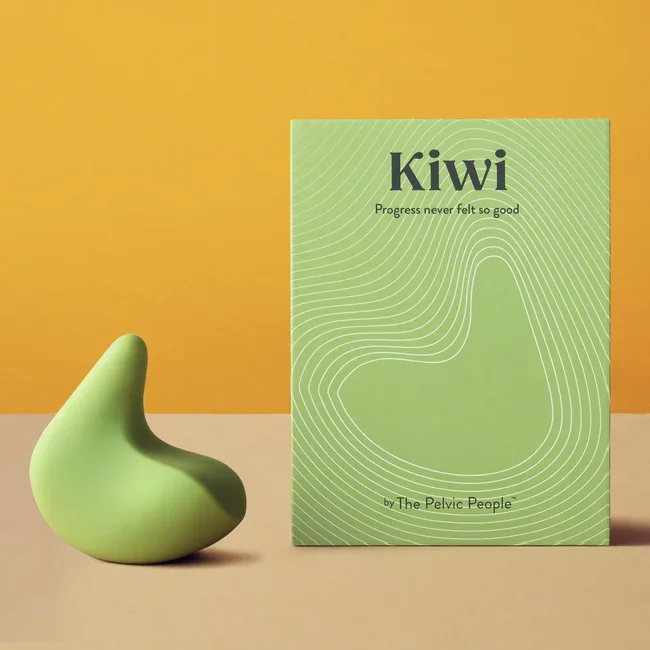
Vibrating Pelvic Relaxation Massager
Example of a vibrating pelvic relaxation massager from The Pelvic People
Getting Creative with Intimacy
If deep vaginal penetration causes discomfort, remember that intimacy takes many forms. Communication with your partner is key as you find what works best for your changing body.
Adjust Your Positioning: For example, try laying on your side during penetration. You can also try pulling one or both knees close to your chest to change the angle. Explore a position that reduces the angle or depth of vaginal penetration to reduce pain.
Buffer Tools: Products like the Ohnut can be stacked on a toy or penis to limit the depth of penetration. This takes away the fear of an object poking too painfully deep inside the vaginal canal.
Lubrication: Use a high-quality, water-based lubricant to manage dryness. Many experts recommend gentle, parent-safe brands like Good Clean Love or Desert Harvest. If only the vaginal opening hurts, your doctor may even prescribe a compounded lidocaine lubricant.
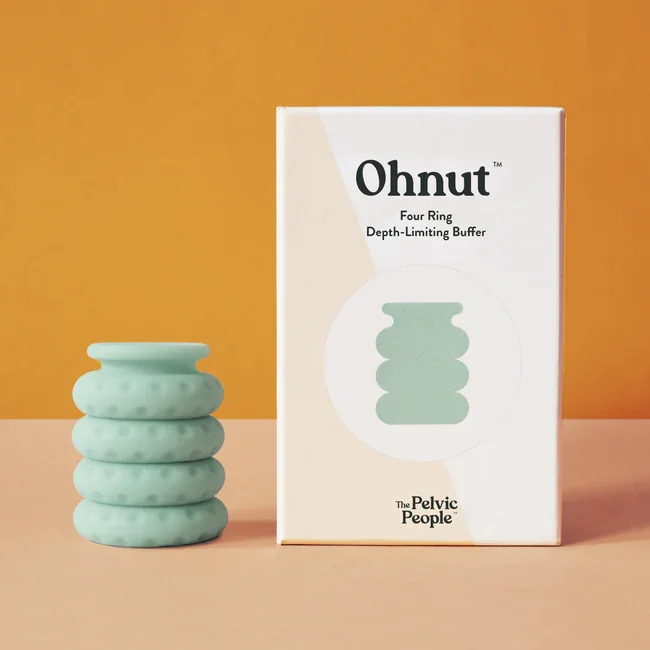
Depth-Limiting Rings
Looking Ahead: You Deserve Support
Your postpartum journey is uniquely yours. Your healing timeline is independent to you alone. If you are experiencing pain, please do not suffer in silence.
Reach out to a trusted care provider. This could be your OB/GYN, midwife, doula, or a pelvic health physical therapist. You deserve pain-free sex. A therapist can evaluate your function and help you discover an individualized plan for a full recovery.
Ready to reclaim your comfort? If you are based in Massachusetts, you can schedule a personalized pelvic health consultation with Sakhee.
Trust Your Body: When to Reach Out for Extra Support
While recovery takes time, certain symptoms are a sign that your body needs professional hands-on care. Please reach out to your care provider or a pelvic health physical therapist if you experience:
Sharp or persistent pain that does not improve with the relaxation or lubrication techniques mentioned above.
Signs of infection at a scar site, such as localized redness, heat, unusual swelling, bleeding, or discharge.
Feeling "stuck" in your progress or experiencing pain that persists well beyond the standard six-to-eight-week healing window.
Emotional distress or anxiety surrounding intimacy that feels overwhelming to navigate alone.
Source
Carlson K, Mikes BA. Dyspareunia. 2026 Jan 10. In: StatPearls [Internet]. Treasure Island (FL): StatPearls Publishing; 2026 Jan. PMID: 32965830.